
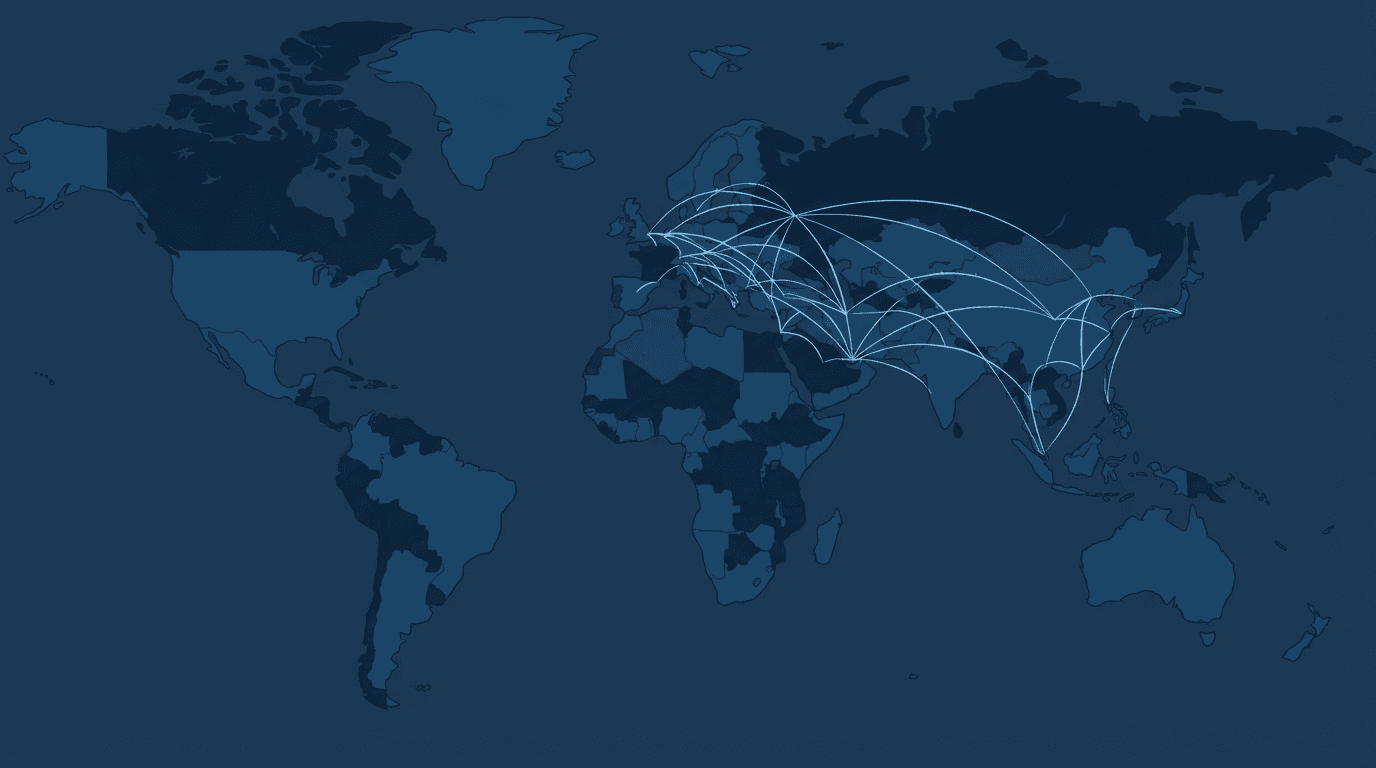
Asia-to-Europe Pharmaceutical Air Lanes: A Practical Checklist for Exporters and Forwarders
From Bangkok, Mumbai, or Singapore into Brussels, Frankfurt, or Amsterdam: success is less about the fastest advertised transit and more about aligned GDP documentation, handler capability, and exception planning.
Moving pharmaceuticals from Asia into Europe by air is a systems problem: GDP on the ground, airline and handler capability, customs alignment, and serialization where applicable. Industry reporting on European hubs (e.g. Amsterdam, Paris, London, Frankfurt, Brussels) emphasises temperature-controlled facilities, monitoring, bonded capability, and road feeder networks that stitch air to final mile.
Pre-booking
- Confirm product classification (human vs veterinary, controlled vs general) and import licence prerequisites.
- Match stability data to packaging qualification for the worst-case lane profile (summer peak, diversion risk).
- Agree data ownership: who holds logger custody and upload SLAs after arrival.
At origin airport
- Pre-condition passive shippers per SOP; verify active container charge and set-point.
- Label for traceability; include shipper declarations required by carrier and state.
- Photograph ULD build where QA requires evidence.
At European hub
- Prefer known-GDP break-bulk and short maximum dwell.
- Align customs entries with FMD / traceability steps where the product falls under EU rules.
- Plan feeder truck temperature mapping—not only the main deck.
Post-arrival
- Reconciliation of logger data against MKT or product-specific limits.
- CAPA if excursion; quarantine per SOP before release.
Sources (external)
Disclaimer
General information only—not legal or regulatory advice for the EU, UK, Thailand, or any other jurisdiction.
Frequently asked questions
Is a direct flight always better?
Not necessarily. A one-stop routing through a strong pharma hub can outperform a “direct” service with weak ground handling. Evaluate end-to-end KPIs, not segment count alone.
What documents should travel with the shipment?
Expect air waybill, packing list, certificates as required, dangerous goods paperwork if applicable, and customs entries aligned with product classification—your RA team should publish a lane-specific checklist.
How does OMG Experience support this journey?
We focus on documented, GDP-aware air freight and coordination so teams can maintain a clear trail from origin release to destination—aligned with the same quality themes carriers and regulators emphasise.