New: OMG Experience Expands European Air Freight Routes — New direct services to Zurich, Lisbon, and Warsaw Read more →
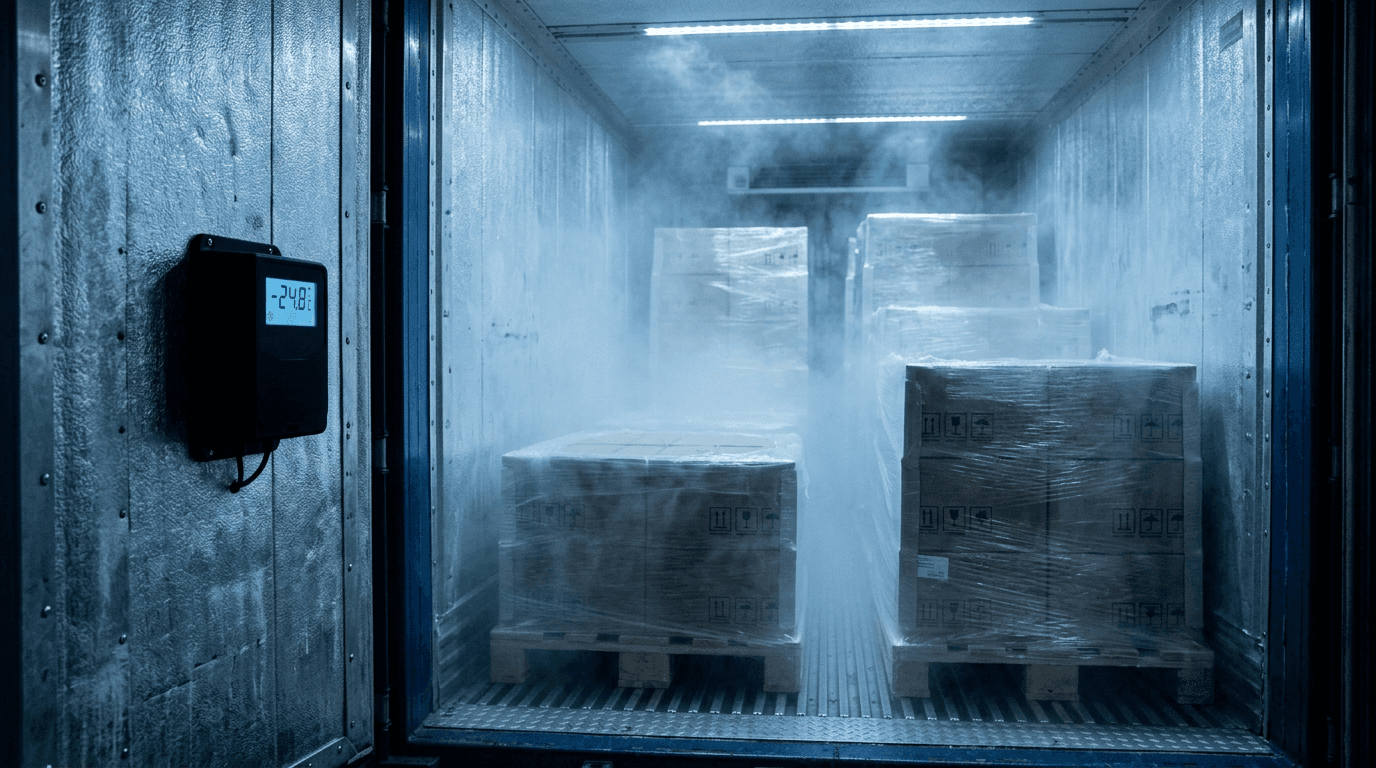
GDP cold-chain design for Thailand-to-Europe medical cannabis: lane qualification, temperature mapping, logger traceability to airway bills, and documentary evidence EU GDP auditors accept under stress.
Good Distribution Practice (GDP) for medical cannabis moving from Thailand to Europe is rarely about buying the most expensive thermal shipper. It is about lane qualification, packaging qualification, alarm response, and documentary evidence that ties temperature history to batch identity and transport milestones. Search teams researching GDP cold chain cannabis or long-haul EU import temperature mapping are usually trying to answer one question: If this logger shows an excursion, can we still defend patient safety and product quality?
Disclaimer: Acceptable excursion outcomes depend on stability data, risk assessment, and QP input—never guess release after temperature deviation without written disposition.
Pre-defined temperature ranges should appear in your quality agreement with the importer, not only on the forwarder’s website. Ranges should reflect product stability data and label storage statements you can support.
Monitoring device placement matters: loggers on the outer carton see different profiles than product-proximate probes. Document where each logger sat relative to thermal mass (vacuum panels, gel packs, phase-change materials).
Risk-rated routing should account for season (tarmac heat), weekend dwell at hubs, and ground segments where reefer continuity can break. Run summer and winter lane qualifications separately if data shows material difference.
Single-batch traceability inside the shipper means no accidental commingling of logger IDs, packing lists, and air waybills. One master index per shipment reduces 3 a.m. warehouse confusion.
Couriers and EU GDP auditors challenge ambiguous paperwork. Tie each temperature logger serial to batch number, AWB, flight segments, handover timestamps, and release disposition if an excursion occurred. Excursion reports should include stability impact assessment references—not only “we think it is fine.”
Summer qualification should stress-test worst-case pallet positions, door openings, and delay injections (e.g., +12 hour hold). Winter tests address freezing risk for sensitive terpene or moisture profiles. Keep raw logger files immutable; summarize in controlled PDFs with checksums if your importer requests data integrity rigor.
Hybrid lanes (passive last mile after active main leg) need explicit responsibility split in contracts.
Ask forwarders for SOP references on controlled substance handling, screening steps, and VIP (validated inactive packaging) or active container options. Generic perishables experience is not always GDP pharma experience—request references and audit rights where possible.
High-value medical cannabis attracts theft risk. GPS trackers, seal integrity checks, and route randomization (where safe) should appear in risk assessment. Insurance policies should explicitly cover controlled material exclusions—close gaps before first commercial load.
GDP is not separate from QP—temperature excursions can invalidate release assumptions. Pre-define who in EU signs disposition after logger review.
Only your stability data, risk assessment, and importer QP can answer that for a specific batch. Pre-approve deviation decision trees in the technical agreement.
Risk-based: new lanes, new packaging, or seasonal shifts trigger re-qualification. Mature lanes may run annual verification shipments with enhanced monitoring.
Document custody transfers and logger continuity. Gaps in data are treated as presumptive risk unless alternative evidence (sealed container, tamper evidence) is strong.
Terpene and oxidation pathways can be temperature-sensitive even when THC looks stable. Align marketing claims (aroma, chemovar identity) with distribution controls.
Permit copies, COA summaries, emergency contacts, and logger placement diagram—exact sets per importer SOP.
Yes—systems that ingest logger files automatically and attach them to batch IDs (see Cantrak-class traceability) reduce manual renaming errors that break audit trails.
Redundant loggers on same shipment are common mitigation. Document which logger is primary for release decision.
Observe summer operations where possible; negotiate VIP build times away from direct sun; use thermal blankets as add-on only if qualified.
Optional—aggregate on-time and in-spec temperature rates build trust if verified by internal QA.
Water activity changes can affect microbial risk. Log RH where product is sensitive and tie to micro strategy.
Only per vendor IFU and your SOP—insulation degrades; track cycle count per shipper ID.
Define in incoterms plus quality agreement—carrier liability is often capped; shippers need correct valuation declarations.
GDP basics, seal integrity, logger start/stop, and “do not open shipper” rules during transit holds.